Constipation is common and can often improve with simple lifestyle changes. Drinking enough water, eating more fiber, staying physically active, and responding to the urge to use the bathroom may help support regular bowel movements. If constipation is severe, persistent, or accompanied by concerning symptoms, talk with a healthcare professional.
- What Foods Help with Constipation?
- Does Drinking Water Help Constipation?
- Does Walking Help Constipation?
- How Long Does Constipation Usually Last?
- What Should You Avoid When Constipated?
- Constipation and Gut Health
- When Should You See a Doctor About Constipation?
- Frequently Asked Questions
- Final Thoughts
How Can I Relieve Constipation Naturally?
You can support natural constipation relief by drinking enough fluids, gradually increasing fiber, eating fiber-rich foods, walking or exercising regularly, and maintaining a consistent bathroom routine. Foods such as fruits, vegetables, whole grains, and legumes can help increase dietary fiber. However, constipation can have different causes, so persistent or severe symptoms may require medical evaluation.
What Is Constipation?
Constipation happens when bowel movements become less frequent or stools become hard, dry, or difficult to pass. Some people may also feel that they have not completely emptied their bowels.
Occasional constipation can happen because of changes in diet, not drinking enough fluids, reduced physical activity, travel, or changes in your daily routine.
For many people, simple lifestyle habits can help support more regular bowel movements.
How to Relieve Constipation Naturally
There are several simple habits that may help support regular digestion and bowel movements.
1. Drink Enough Water and use fluid
Staying hydrated can help support normal bowel function.

When you do not drink enough fluids, stools may become harder and more difficult to pass.
Keep water available throughout the day and drink regularly rather than waiting until you feel very thirsty.
2. Increase Fiber Gradually
Eating enough dietary fiber can help support regular bowel movements and healthy digestion.
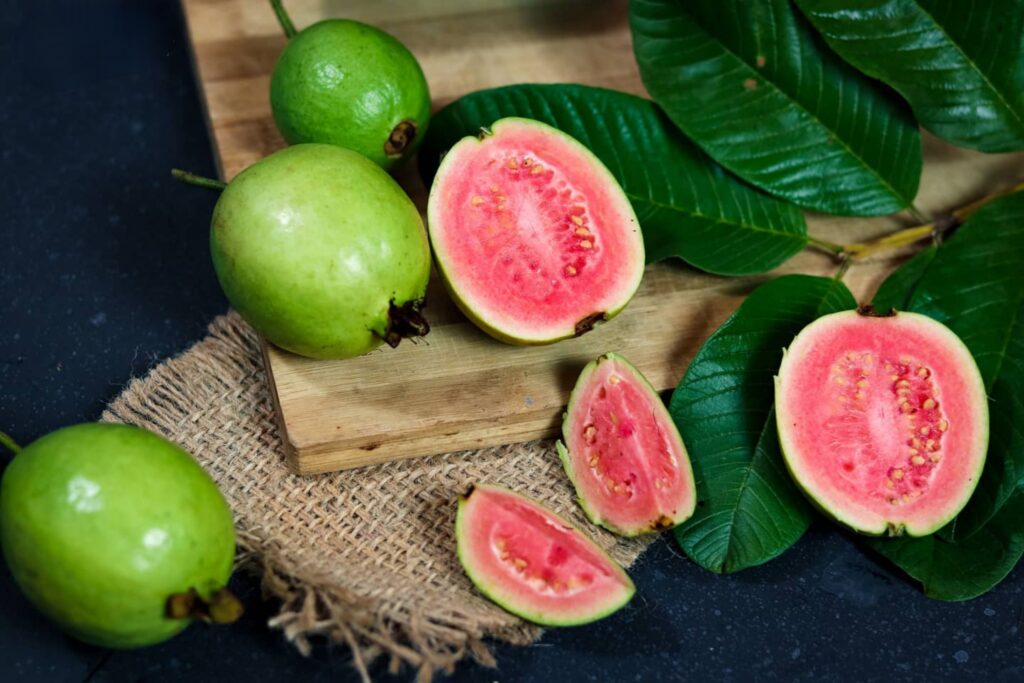
Good sources of fiber include:
- Fruits
- Vegetables
- Whole grains
- Beans
- Lentils
- Nuts and seeds
If your current diet is low in fiber, increase it gradually. A sudden large increase may cause gas or bloating.
3. Eat Fruits That Support Regularity
Some fruits are good sources of dietary fiber and can be part of a constipation-friendly diet.
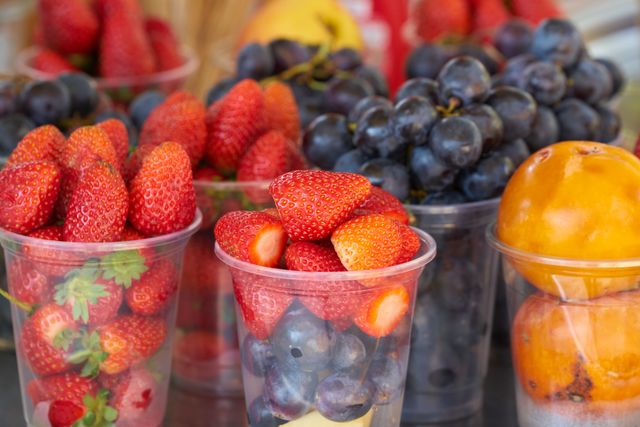
Examples include:
- Apples
- Pears
- Oranges
- Berries
- Kiwi
- Prunes
Whole fruits generally provide more fiber than fruit juice.
4. Add More Vegetables to Your Meals
Vegetables can provide fiber and help you build a balanced diet that supports digestive health.
Try adding vegetables such as:
- Carrots
- Broccoli
- Green peas
- Spinach
- Sweet potatoes
- Other leafy greens
Aim for variety rather than relying on one particular food.
5. Try Prunes or Prune Juice
Prunes are a commonly used food for constipation because they provide fiber and naturally occurring compounds that may help bowel movements.

You can include a small serving of prunes as part of your diet.
If you choose prune juice, remember that whole prunes provide fiber that juice may not provide in the same amount.
6. Take a Walk
Regular physical activity may help support normal bowel function.
You do not need an intense workout.
A gentle walk after a meal or regular daily walking can be an easy way to stay active.
7. Do Not Ignore the Urge to Use the Bathroom
Ignoring the urge to have a bowel movement may make it harder to maintain a regular bathroom routine.
When you feel the need to go, give yourself enough time and avoid repeatedly delaying it.
8. Create a Regular Bathroom Routine
Some people find it helpful to use the bathroom at approximately the same time each day.
Give yourself enough time and try not to rush.
A calm, consistent routine may make bowel movements easier to manage.
9. Eat Balanced Meals
Your overall diet can affect digestive health.
Include a variety of:
- Fiber-rich foods
- Fruits and vegetables
- Whole grains
- Protein sources
- Healthy fats
- Fluids
A balanced eating pattern can support overall gut health and regular digestion.
10. Make Changes Gradually
When improving constipation naturally, gradual changes are usually easier for your digestive system to handle.
For example, if you currently eat very little fiber, increase your fiber intake step by step and drink enough fluids.
Making several major dietary changes at once may lead to temporary gas or bloating.
What Foods Help with Constipation?
Foods rich in dietary fiber may help support regular bowel movements.
Some options include:
| Food | Why it may help |
|---|---|
| Prunes | Provide fiber and naturally occurring compounds |
| Pears | Provide dietary fiber |
| Apples | Provide fiber, especially when eaten with the skin |
| Kiwi | Provides dietary fiber |
| Beans | High in dietary fiber |
| Lentils | Provide fiber and plant-based protein |
| Oats | Provide soluble and insoluble fiber |
| Vegetables | Provide fiber and nutrients |
| Whole grains | Provide dietary fiber |
| Chia seeds | Provide a concentrated source of fiber |
Increase fiber gradually and drink enough fluids as you increase your intake.
Does Drinking Water Help Constipation?
Drinking enough water supports normal digestion and can help prevent dehydration, which may contribute to harder stools.
However, simply drinking large amounts of water is not a guaranteed treatment for constipation.
Hydration works best as part of a broader routine that includes enough dietary fiber and regular physical activity.
Does Walking Help Constipation?
Regular movement may support normal bowel function.
Walking is a simple, low-impact activity that many people can include in their daily routine.
Even a short walk can be a practical way to reduce long periods of sitting and stay physically active.
How Long Does Constipation Usually Last?
The duration of constipation can vary depending on its cause, diet, hydration, medications, activity level, and individual health.
Occasional constipation may improve after changes to diet, fluids, activity, and bathroom habits.
If constipation continues despite lifestyle changes or keeps returning, speak with a healthcare professional.
What Should You Avoid When Constipated?
There is no single list of foods that everyone with constipation must avoid.
However, it may help to pay attention to habits that can make symptoms worse.
For example:
Do not make sudden or extreme changes to your diet.
Overlooking the need to go to the bathroom.
Do not depend solely on highly processed foods while failing to include fiber-rich foods.
Do not take concentrated supplements or laxatives unless you know how to use them.
Constipation and Gut Health
Regular bowel movements are one part of overall digestive health.
Your gut health is influenced by your diet, physical activity, hydration, sleep, stress, medications, and other factors.
Supporting healthy habits over time is generally more useful than relying on one food or home remedy.
For more practical habits, see our guide on how to improve gut health naturally.
When Should You See a Doctor About Constipation?
Occasional constipation is common, but persistent or severe constipation should not simply be managed with home remedies.
Talk with a healthcare professional if:
- Constipation continues or keeps coming back
- You have severe or worsening abdominal pain
- You have repeated vomiting
- You notice blood in your stool
- You have unexplained weight loss
- You develop a fever
- Your bowel habits change suddenly or significantly
- You are unable to pass stool or gas and have significant abdominal swelling
These symptoms can sometimes indicate a condition that needs proper medical evaluation.
Frequently Asked Questions
How can I relieve constipation naturally?
You can support natural constipation relief by drinking enough fluids, gradually increasing dietary fiber, eating fruits and vegetables, staying physically active, and maintaining a regular bathroom routine.
What is the fastest natural way to relieve constipation?
There is no single natural method that works fastest for everyone. Drinking enough fluids, eating fiber-rich foods, moving regularly, and responding to the urge to use the bathroom can support normal bowel function.
What foods help with constipation?
Fiber-rich foods such as prunes, pears, apples, kiwi, beans, lentils, oats, vegetables, whole grains, and chia seeds can help support regular bowel movements.
Does drinking water help constipation?
Adequate hydration can support normal bowel function and help prevent dehydration, which may contribute to harder stools. However, water alone does not treat every cause of constipation.
Does walking help constipation?
Regular physical activity, including walking, may support normal bowel function and can be a simple addition to a healthy daily routine.
How much fiber should I eat for constipation?
Fiber needs vary from person to person. Increase fiber gradually rather than making a sudden large change, and drink enough fluids as you increase your intake.
Can constipation be caused by dehydration?
Dehydration can contribute to harder stools and may make constipation more difficult to manage. Maintaining adequate fluid intake is one part of supporting regular bowel movements.
Is constipation a sign of poor gut health?
Constipation can occur for many reasons and does not automatically mean that you have poor gut health. Diet, hydration, activity, medications, lifestyle changes, and medical conditions can all affect bowel movements.
When should I worry about constipation?
Seek medical advice if constipation is persistent, severe, keeps returning, or occurs with symptoms such as severe abdominal pain, vomiting, blood in the stool, unexplained weight loss, fever, or major changes in bowel habits.
Final Thoughts
Learning how to relieve constipation naturally starts with simple, consistent habits. Drinking enough fluids, eating fiber-rich foods, staying active, and maintaining a regular bathroom routine can all support healthy bowel movements.
There is no single food or remedy that works for everyone. Pay attention to how your body responds and make dietary changes gradually.
If constipation is persistent, severe, or accompanied by concerning symptoms, speak with a healthcare professional instead of relying only on home remedies.
Remedaxy is committed to providing simple, practical wellness information to help readers make informed choices about everyday health.